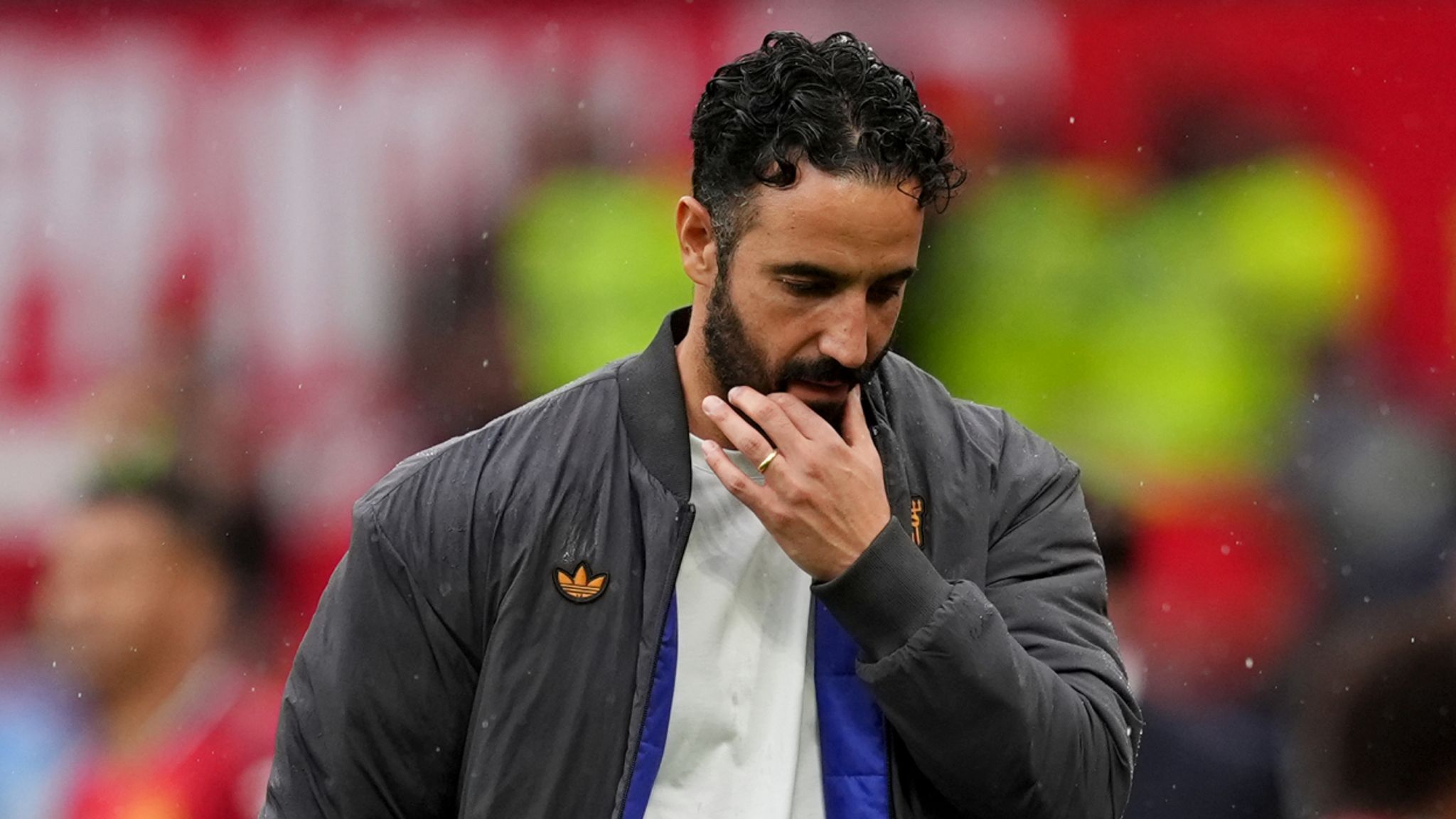
Manchester United’s defeat to Everton was more than a poor result. It was a performance that placed manager Ruben Amorim under a harsh spotlight.
Jamie Carragher made that clear as he assessed the reaction inside Old Trafford.
“This is a bad night for the manager. There was an awful long time left in that game [after 10-man Everton went ahead],” Carragher said.
His words cut deep because the reality on the pitch backed them up. Everton, reduced to 10 players early in the match, still found a way to score and silence the home crowd.
United never shifted gears. They never adapted. And Carragher highlighted exactly why that was a problem.
“I don’t understand how you can stick with something so steadfastly in a situation like that when it’s basically one guy up front who’s not really up front, you don’t need three players there.”
His criticism targeted the system, the decisions, and the manager’s refusal to adjust when the game demanded it.
“It’s one of those moments where I think a lot of people will really question the manager on the back of that defeat. They’ll look at the players, and we know the players should do better, but the manager will take a lot of the blame for tonight.”
The defeat will linger because it exposed more than weaknesses in attack. It showed a lack of urgency, intensity, and tactical flexibility.
The Red Devils had the numerical advantage, home support, and time, yet still never imposed themselves. For Amorim, this loss sends a clear message.
The gaffer must respond, rethink, and reset. Pressure is part of the job, but nights like this amplify it. Now, all eyes shift to how he reacts when the whistle blows next.

Toosin is a dedicated sports writer with a strong background in crafting engaging and insightful content. With experience at Goal, he has developed a sharp editorial sense and a refined storytelling approach that brings depth and perspective to sports journalism. His passion for the game goes beyond the headlines, as he captures both the excitement of the sport and the compelling human narratives behind each event. Toosin’s work resonates with a broad and diverse audience, making global sports stories accessible, relatable, and impactful.