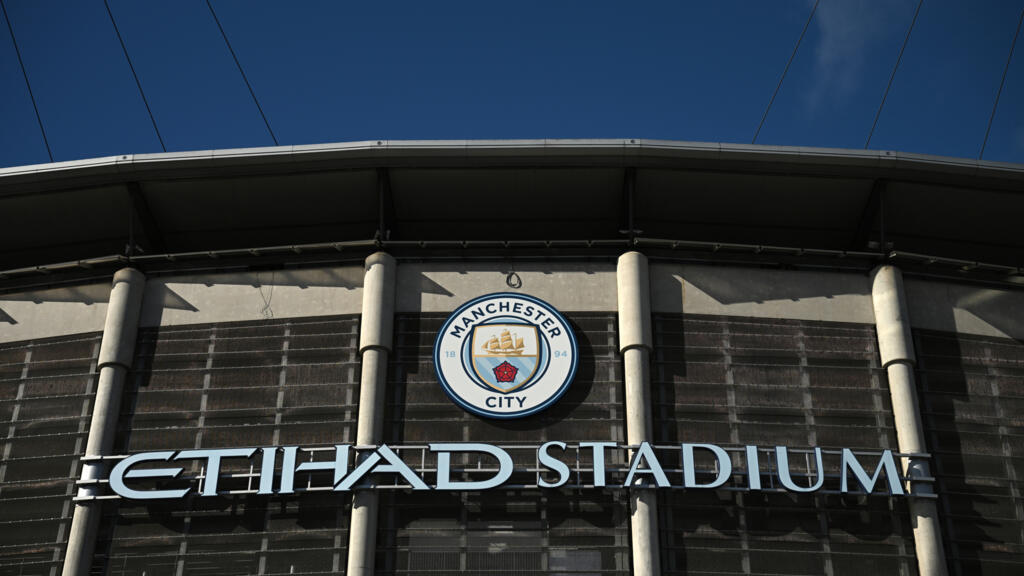
Manchester City are preparing to challenge one of the central findings in the Premier League’s ruling against them, arguing that key sponsorship payments came from the Abu Dhabi government rather than the club’s owner.
The argument is expected to be a major part of City’s appeal against the commission’s findings on the charges brought against the Premier League champions.
The independent commission concluded that several sponsorship arrangements were “sham” agreements after examining hacked emails that appeared to show City executives discussing how money from Abu Dhabi United Group (ADUG) could be channelled through sponsors, including Etihad Airways, and into the club.
City strongly dispute that interpretation.
The club’s position is that it has evidence showing payments made by sponsors such as Etihad came directly from the Abu Dhabi government. Etihad is owned by the Abu Dhabi government, and Premier League regulations permit state-owned entities to sponsor clubs.
That distinction could become crucial when City’s appeal is heard.
Since the commission’s decision became public, senior City figures have repeatedly rejected the findings. Chairman Khaldoon Al Mubarak has referred to what he describes as “irrefutable evidence”, while chief executive Ferran Soriano provided a detailed response in a video message to club employees.
“The whole Premier League case against us is based on a single false accusation — that the owner’s personal money was somehow and secretly put into the club via some sponsors from Abu Dhabi,” Soriano said.
“This is just not true. Irrefutable evidence has been provided to the Premier League commission that shows it could not happen and that it did not happen. This includes bank statements, money transfers, witnesses, and everything necessary to categorically demonstrate the money did not come from the owner.”
People familiar with the case have indicated that City’s evidence includes alleged bank records showing transactions between the Abu Dhabi government and sponsorship companies.
The club also believes testimony from senior government officials supports its version of events.
The commission, however, rejected that explanation following a 12-week hearing that concluded in December 2024.
In its 40-page core decision, the three-person panel described City’s account as “untrue” and said it was “concocted well after the event in an attempt to obscure and conceal the realities of the disguised funding scheme”.
That finding is now set to be tested by an appeal panel made up of senior retired judges.
City are expected to lodge their appeal before Friday’s deadline, with the club’s legal team led by Paul Harris KC and Lord Pannick KC.
A central argument will likely focus on whether sponsorship money originating from a state government can legitimately be treated as separate from ADUG and the club’s ownership structure.
Etihad, Abu Dhabi’s state-owned airline, has already rejected the commission’s description of the sponsorship arrangements.
The airline said it “categorically rejects” the findings and is considering legal action over what it described as the “damaging implications” of the commission’s conclusions.
The legal meaning of the word “sham” could therefore become another important battleground.
For an agreement to legally qualify as a sham, there generally needs to be cooperation and knowledge between the parties involved. Etihad’s rejection of the commission’s findings could consequently become significant during the appeal.
The original evidence examined by the commission included emails published by Der Spiegel in 2018.
One email from 2013 showed City’s then-chief financial officer, Jorge Chumillas, asking senior executive Simon Pearce about how the Etihad sponsorship payments were structured.
“I need to understand the mechanism by which additional sponsorship flows through ADUG,” he writes. “Is it ADUG Shareholder->ADUG->Etihad->MCFC? Or is it rather ADUG Shareholder->Etihad->MCFC?” (the arrows show the direction of the transactions).
Other correspondence referred to money being “routed” through sponsors.
One email indicated that Etihad would provide £8 million during one period of a sponsorship agreement, with a further £59.5 million reportedly coming from ADUG.
Another email from April 2010 referred to £2 million coming from Abu Dhabi-based company Aabar, with “the remaining £12m” coming “from alternative sources provided by His Highness” (Sheikh Mansour).
The commission ultimately concluded that Sheikh Mansour was unaware that approximately £830 million of his money had allegedly been used to inflate sponsorship agreements.
City are expected to challenge that conclusion as part of their wider appeal, arguing that the finding raises questions about the commission’s interpretation of the evidence.
Another issue likely to come under scrutiny is the length of time taken to produce the final decision.
The commission’s hearing concluded in December 2024, but its core decision was delivered around 19 months later. City sources believe the ruling should have been delivered much sooner and may question whether the delay makes the decision “unsafe”.
With the appeal now looming, the dispute is entering another crucial phase.
City’s legal team will seek to persuade a new panel that the sponsorship payments were legitimate transactions involving Abu Dhabi government entities rather than disguised funding from the club’s owner.
The appeal will therefore revisit not only the evidence behind the sponsorship arrangements, but also the commission’s interpretation of the emails, financial records and witness testimony that underpin one of the most consequential disputes in Premier League history.

Toosin is a dedicated sports writer with a strong background in crafting engaging and insightful content. With experience at Goal, he has developed a sharp editorial sense and a refined storytelling approach that brings depth and perspective to sports journalism. His passion for the game goes beyond the headlines, as he captures both the excitement of the sport and the compelling human narratives behind each event. Toosin’s work resonates with a broad and diverse audience, making global sports stories accessible, relatable, and impactful.