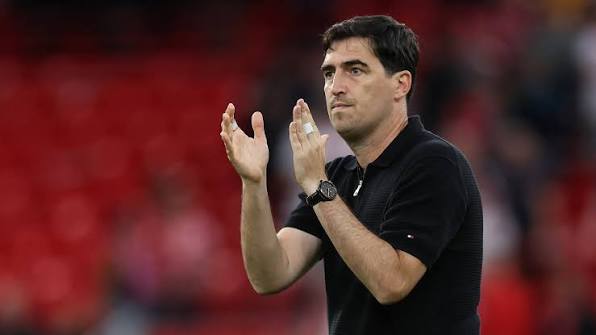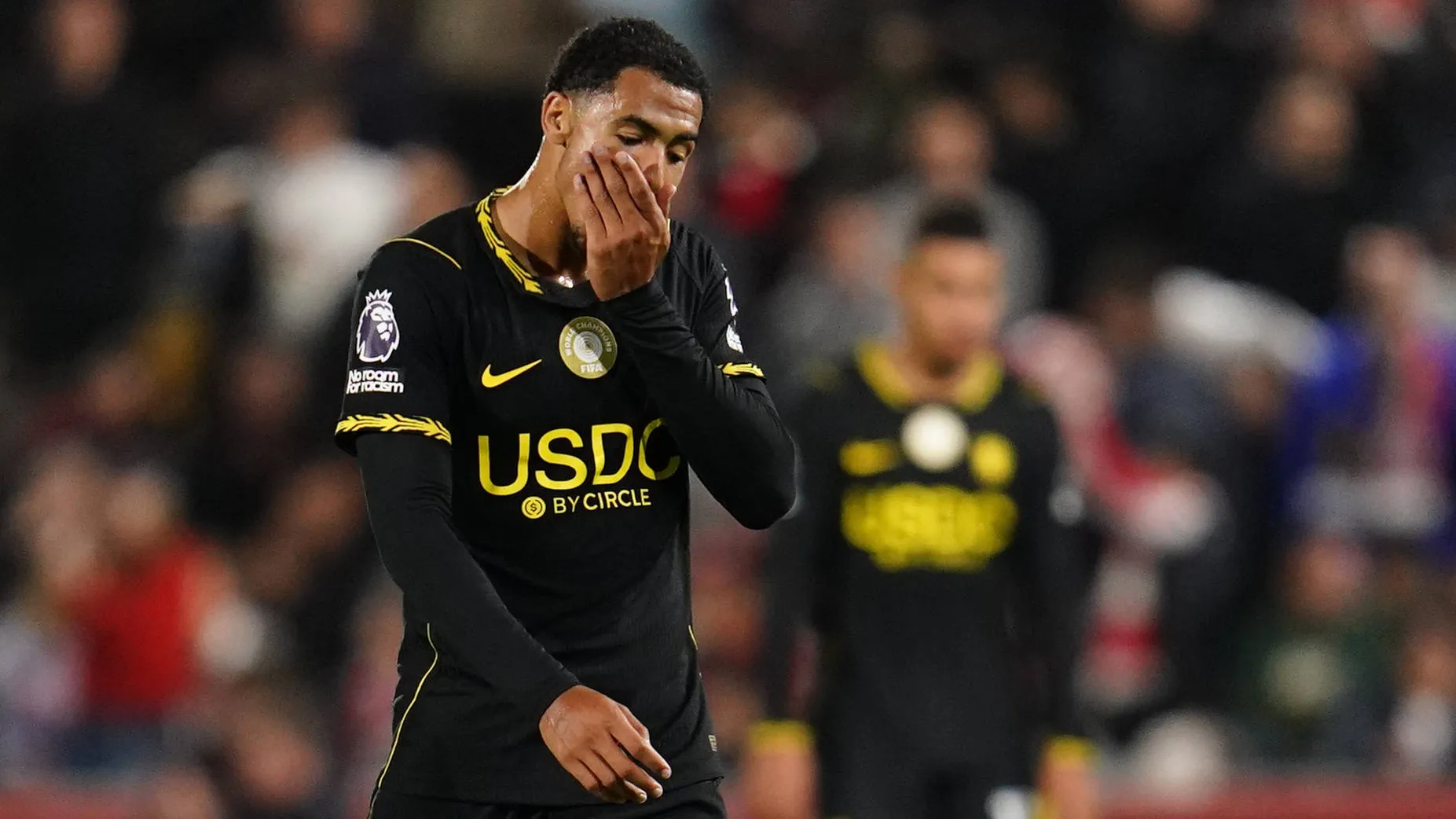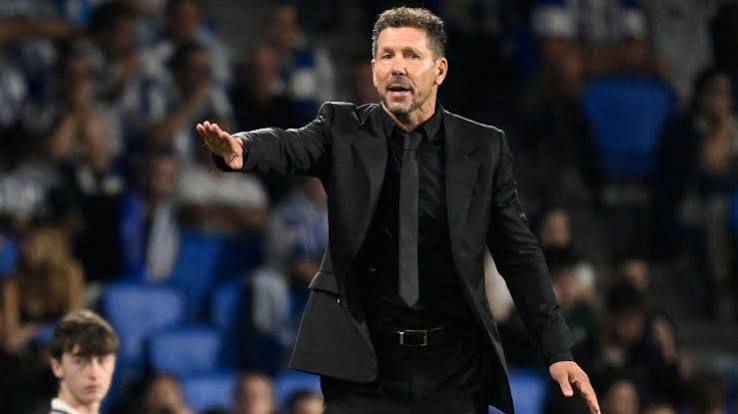
Liam Rosenior was quick to underline the mentality within his Chelsea squad after a dramatic 3-2 comeback victory over West Ham United, insisting the second-half response showed why the group can achieve something special together.
Although Chelsea controlled possession early on, dominance with the ball failed to translate into cutting edge before the break.
West Ham punished that inefficiency clinically, racing into a two-goal lead through Jarrod Bowen and Crysencio Summerville, while the hosts struggled to impose themselves beyond Cole Palmer’s lone free-kick effort on target.
However, the contest shifted gears after the restart. Rosenior rolled the dice with a triple substitution at half-time, and from that moment the tempo, intensity and belief changed.
Wesley Fofana’s powerful run and delivery sparked the comeback as Joao Pedro reduced the deficit, before Marc Cucurella levelled the score to ignite Stamford Bridge.
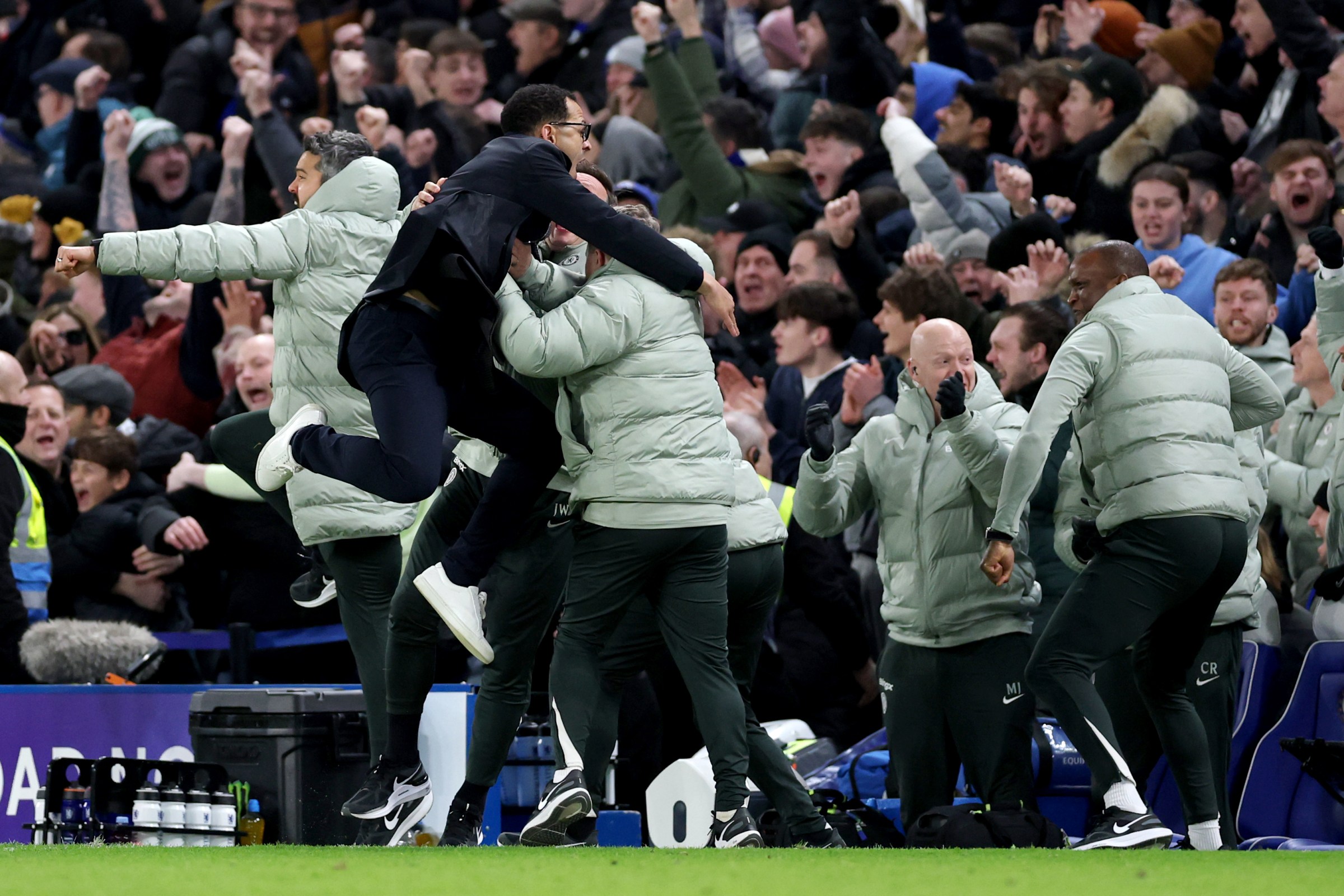
Then, deep into stoppage time, Joao Pedro turned provider, sliding a decisive pass into Enzo Fernandez’s path for a dramatic winner.
The result etched the Blues into the history books, marking the first time the club had overturned a two-goal half-time deficit to win a Premier League match.
“My biggest learning is there’s a spirit, a fight and a resilience in this group that I really, really like,” Rosenior said.
“I’ve demanded from the first day of stepping in. We don’t have many training sessions, but we spoke about reacting positively to setbacks.
“We’ve spoken about reactions to losing the ball, pressing, energy, intensity. All of that was there in the second half, which wasn’t there in the first half.
“I don’t put that just down to the changes I made. It’s very difficult. We’ve had so many games in a short space of time. I was fearful of a lack of energy and not energy or lack of application, but I felt our decision-making was really poor in the first half. When to keep the ball, when we pressed, we were just too far off it.
“West Ham were by far the better team. We had a reaction at half-time. The reaction of the team in the second half tells me that we’ve got something really, really special here if I can utilise the squad in the correct way.”
Despite Chelsea enjoying 69 per cent possession before the interval, the gaffer did not shy away from criticising the overall display, stressing that responsibility was shared across the pitch rather than falling on individual players.
“I thought individually, collectively, our first-half performance was nowhere near the level that it needed to be and should be. The individuals came off and then people will look at them. That wasn’t on them. It was a collective. There was a collective poor performance in the first half.
“Those players know with me, I make early changes. It doesn’t mean that all of a sudden they’re out of my thoughts at all. It was just a really lethargic performance in the first half, but the second half was everything I wanted to see.”
From struggle to surge, Chelsea’s comeback was driven by urgency, belief and tactical bravery. More importantly, it offered a glimpse of the resilience Rosenior believes could define his reign if harnessed consistently as the season gathers pace.

Toosin is a dedicated sports writer with a strong background in crafting engaging and insightful content. With experience at Goal, he has developed a sharp editorial sense and a refined storytelling approach that brings depth and perspective to sports journalism. His passion for the game goes beyond the headlines, as he captures both the excitement of the sport and the compelling human narratives behind each event. Toosin’s work resonates with a broad and diverse audience, making global sports stories accessible, relatable, and impactful.