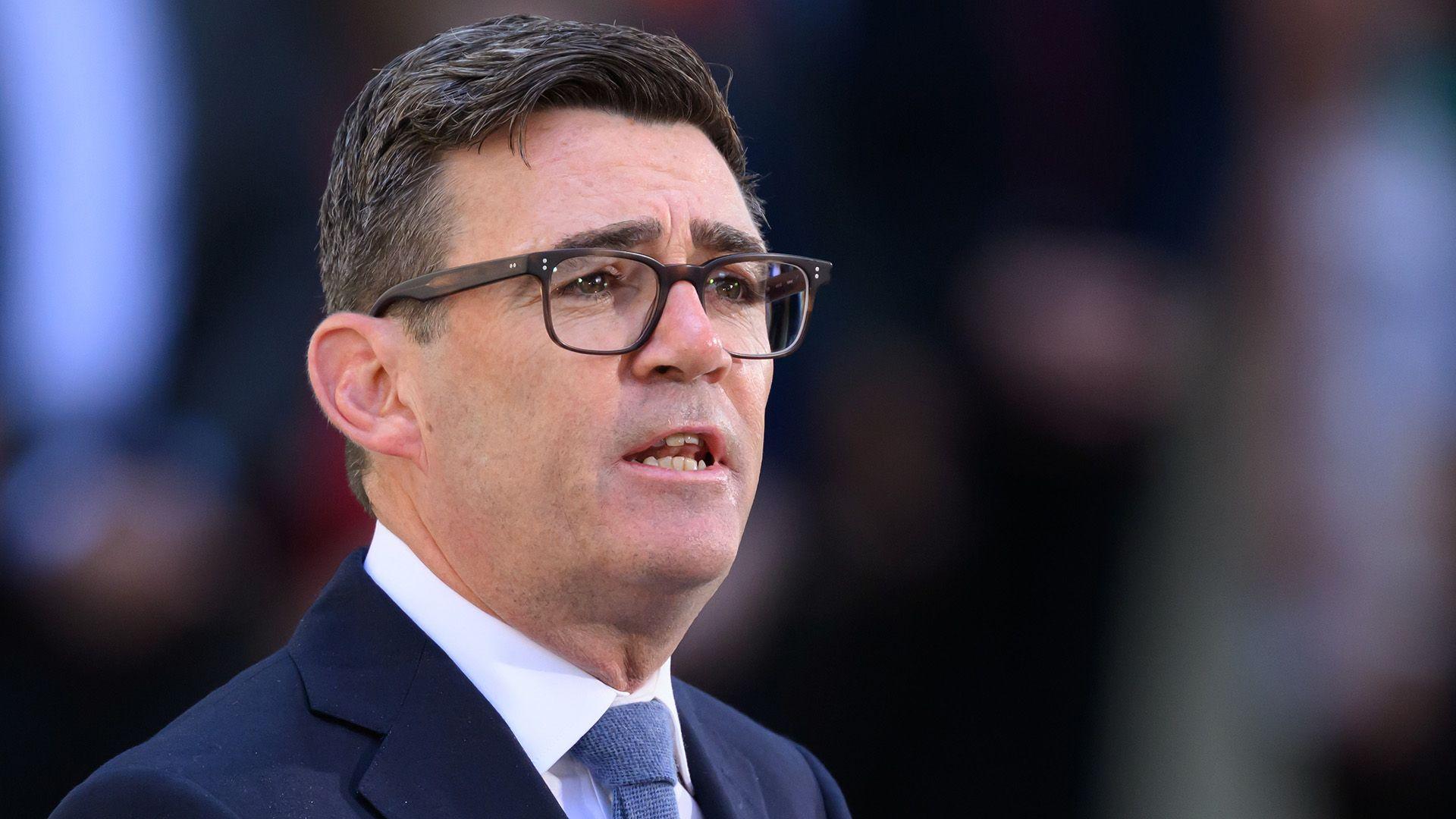
The pressure surrounding FIFA president Gianni Infantino has intensified after U.K. Prime Minister Andy Burnham publicly called for his resignation over the governing body’s controversial proposal to sell stakes in the FIFA World Cup to private investors.
What began as criticism from football authorities has now escalated into a political issue, with Burnham becoming the first leader of a major nation to openly question Infantino’s future at the helm of world football.
The proposal, which would have allowed private equity investment in FIFA’s flagship competitions, has triggered widespread resistance across the football landscape.
UEFA, Concacaf and the Asian Football Confederation (AFC) have all rejected the idea, arguing that the World Cup should remain under football’s traditional governance rather than become a commercial investment vehicle.
The opposition has grown so strong that UEFA’s 55 member associations have reportedly agreed to boycott FIFA competitions while the proposal remains on the table, placing unprecedented pressure on the FIFA president.
Speaking on Friday, Burnham described the proposal as fundamentally incompatible with the values of the game and questioned whether Infantino remained the right person to lead world football.
“My view is strengthening — this was an outrageous suggestion.
“The idea that it could even be brought forward, in my view, shows that the FIFA [president] is the wrong man to lead the organization.”
The remarks represent the strongest political condemnation yet of FIFA’s commercial strategy and add significant weight to the growing calls for accountability.
Burnham, a lifelong Everton supporter, had already voiced his concerns earlier in the week after details of FIFA’s proposal emerged.
In a statement posted on social media, he passionately defended supporters as the true custodians of the game.
“Let me say this very directly. Football does not belong to investors. It belongs to the people who fill the stands and who stand on the touchline week in, week out, rain or shine,” Burnham said.
He continued by stressing that football’s biggest tournament should never become a commercial asset.
“The World Cup is not a product. It is the greatest competition in world sport, and it was never anyone’s to sell. Dress the deal up however you like. Once you have sold a piece of it, you have sold out.
“Football belongs to the fans. It always has, and it always will.”
Those comments have resonated widely among supporters, administrators and former players who fear increasing commercial influence over the governance of global football.
Burnham’s intervention comes at a time when Infantino is facing mounting opposition from virtually every corner of the football community.
The backlash has transformed what was initially presented as a commercial strategy into one of the biggest governance challenges of Infantino’s presidency.
With influential confederations rejecting the proposal, political leaders entering the debate and senior FIFA figures stepping away, pressure is mounting on football’s governing body to reconsider its direction.
Whether Infantino can restore confidence among member associations remains uncertain, but one message has become increasingly clear: across football and beyond, many believe the future of the World Cup should remain in the hands of the game—not private investors.
As calls for transparency and accountability continue to grow, FIFA now faces one of the most significant credibility tests in its modern history.

Toosin is a dedicated sports writer with a strong background in crafting engaging and insightful content. With experience at Goal, he has developed a sharp editorial sense and a refined storytelling approach that brings depth and perspective to sports journalism. His passion for the game goes beyond the headlines, as he captures both the excitement of the sport and the compelling human narratives behind each event. Toosin’s work resonates with a broad and diverse audience, making global sports stories accessible, relatable, and impactful.