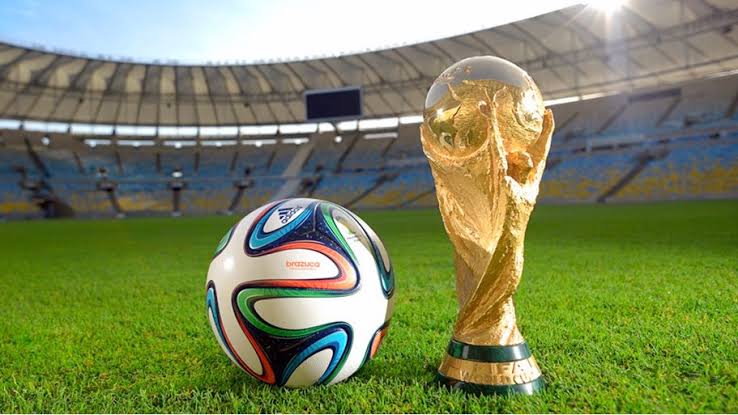
FIFA has officially launched a consultation process that could reshape the future of international football, with plans to assess the possibility of expanding the FIFA Men’s World Cup from 48 to 64 teams beginning with the 2030 tournament.
According to documents obtained by ESPN, football’s world governing body has begun a fast-tracked review process that could lead to a final decision as early as August 14, barely two weeks after the consultation commenced.
The proposal arrives at a sensitive moment for FIFA President Gianni Infantino, whose controversial plans to restructure the commercial future of FIFA competitions continue to attract widespread criticism from football’s major governing bodies.
While debates surrounding the proposed FIFA Forward Enterprise (FFE) continue to dominate headlines, the prospect of another World Cup expansion is now set to become another defining issue in global football governance.
The 2026 FIFA World Cup, won by Spain, marked the competition’s first edition featuring 48 participating nations, representing the biggest expansion in tournament history.
Now, FIFA is exploring whether another increase—to 64 teams—could become reality just four years later.In the research brief circulated to independent agencies, FIFA outlined its intentions.
“Considering the strategic implications of a possible expansion of the FIFA World Cup beyond the current format.”
The governing body also explained the objective of the proposed study.
“Therefore, FIFA wishes to appoint an independent agency to determine whether and how expanding the FIFA World Cup from 48 to 64 participating teams, starting with the 2030 edition, would impact on the tournament proposition football ecosystem.”
The research will examine the sporting, commercial and operational consequences of such a significant increase before FIFA reaches a final decision.
One aspect attracting considerable attention is the speed of the consultation process.
According to the internal timetable, FIFA distributed the research brief on July 30, expects agency proposals by August 7, and intends to make its decision by August 14.
The complete analysis would then be delivered on September 11, just days before another crucial deadline connected to FIFA’s broader commercial reforms.
Critics have questioned whether such a short consultation period provides enough time to properly evaluate changes that could fundamentally alter football’s biggest tournament.
The latest proposal arrives while FIFA continues facing resistance over its ambitious FIFA Forward Enterprise (FFE) project.
The initiative seeks to combine FIFA’s commercial rights—including broadcasting, sponsorship, ticketing and licensing—into a separate company before selling minority stakes to private investors.
Infantino has argued the project could unlock billions of dollars for football development worldwide. However, opposition has grown rapidly.
UEFA, Concacaf and the Asian Football Confederation (AFC) have all publicly rejected the proposal, raising concerns over governance, transparency and the increasing commercialisation of football.
Adding to FIFA’s difficulties, senior adviser Carlos Cordeiro recently resigned, reportedly describing the FFE proposal as “a bad deal for football.”
Among FIFA’s continental bodies, the AFC delivered one of the strongest responses.Its statement called for an “urgent review” of FIFA’s governance framework while expressing frustration over how major reforms continue to emerge.
“This is not the first occasion where major stakeholders have been confronted with significant initiatives after the direction of travel appears to have already been determined,” state the confederation.
UEFA has also voiced concerns that larger and more frequent tournaments could place additional strain on players, domestic competitions and the wider football calendar.
The proposed expansion to 64 teams represents far more than a simple increase in participating nations.
Supporters argue it would create greater global representation, offer more countries the opportunity to compete on football’s biggest stage and generate additional revenue for the development of the game.
Critics, however, fear it could dilute the tournament’s quality, overcrowd an already demanding international calendar and place commercial interests ahead of sporting integrity.
With Gianni Infantino already facing growing resistance over his wider reform agenda, the coming weeks could prove decisive for both the future structure of the FIFA World Cup and the governance of world football itself.
Whether the proposal gains sufficient support remains uncertain, but one thing is already clear: the debate over the future of football’s greatest tournament has only just begun.

Toosin is a dedicated sports writer with a strong background in crafting engaging and insightful content. With experience at Goal, he has developed a sharp editorial sense and a refined storytelling approach that brings depth and perspective to sports journalism. His passion for the game goes beyond the headlines, as he captures both the excitement of the sport and the compelling human narratives behind each event. Toosin’s work resonates with a broad and diverse audience, making global sports stories accessible, relatable, and impactful.