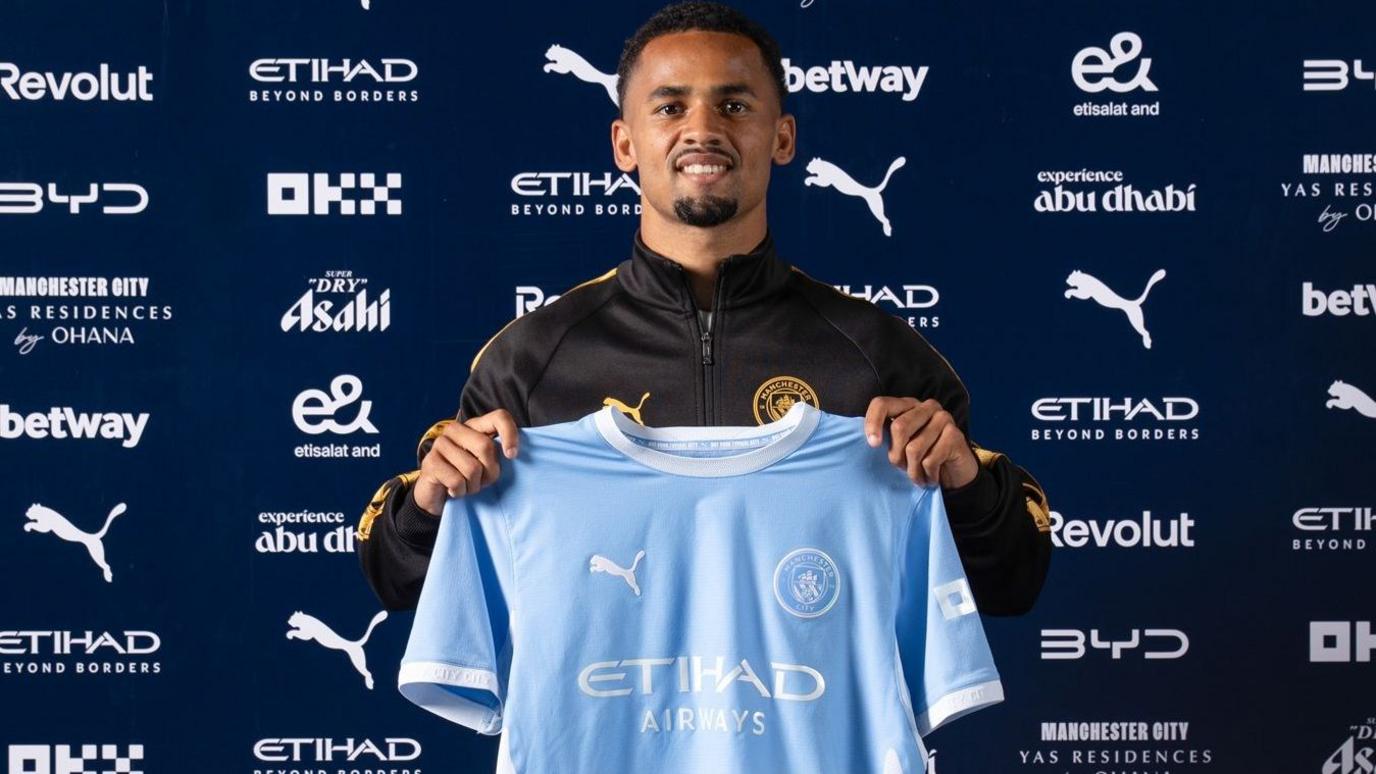
David Moyes has admitted Everton were reluctant to lose Iliman Ndiaye, but Manchester City’s arrival with a £65m offer made the decision increasingly difficult to resist.
The Everton manager described the departure as a painful one, particularly because Ndiaye had become a player the club valued highly.
But football’s financial reality ultimately played a major role.
Everton had been looking to generate funds during the transfer window, and while the proposed sale of academy prospect Harrison Armstrong to Nottingham Forest was eventually abandoned following a furious reaction from supporters, the club still needed to raise money.
Ndiaye became the major casualty. Manchester City stepped forward, and the Premier League champions’ interest proved difficult for Everton to ignore.
Moyes acknowledged that he was not directly responsible for the club’s financial decisions, but accepted that the need to bring money into the club contributed to Ndiaye’s eventual departure.
“I don’t do the financials here, it’s not me who does it,” he said. “But I think what you’re saying is right, I think we were looking to get some money in and ultimately those things were getting talked about.
“We lost Illy, someone we definitely didn’t want to lose. But sometimes it’s quite difficult when the likes of Man City come along looking for your players.
“I’ve lost Wayne Rooney to Manchester United, I’ve lost Joleon Lescott and Jack Rodwell to Man City over the years. On this occasion unfortunately we lost Illy and we didn’t want to lose Illy because we liked Illy a lot.”
Moyes’ comments underline the familiar problem facing clubs outside the Premier League’s financial elite.
A player may be central to a manager’s plans, but a huge offer from one of England’s biggest clubs can completely change the equation.
Ndiaye’s £65m move is therefore more than simply another big transfer.
For Everton, it represents a difficult compromise between sporting ambition and financial necessity.
Moyes has already experienced similar situations throughout his managerial career.
He watched Wayne Rooney leave Everton for Manchester United before later seeing Joleon Lescott and Jack Rodwell move from the club to Manchester City.
Now Ndiaye has joined that list. The Toffees boss clearly did not want to see the Senegal international walk through the exit door, but there was little sentiment involved once the numbers became significant enough.
For City, the deal adds another attacking option to an already formidable squad.
For Everton, meanwhile, the challenge is replacing a player they had no desire to lose while ensuring the finances remain sustainable.
That makes Ndiaye’s departure particularly significant.
Everton may have resisted selling Armstrong after supporters made their feelings unmistakably clear, but the club ultimately still had difficult financial decisions to make. And this time, it was Ndiaye who paid the price.
Moyes’ admission offers a glimpse into the reality behind big-money Premier League transfers: sometimes managers lose the players they desperately want to keep because the numbers simply make the decision impossible to ignore.

Toosin is a dedicated sports writer with a strong background in crafting engaging and insightful content. With experience at Goal, he has developed a sharp editorial sense and a refined storytelling approach that brings depth and perspective to sports journalism. His passion for the game goes beyond the headlines, as he captures both the excitement of the sport and the compelling human narratives behind each event. Toosin’s work resonates with a broad and diverse audience, making global sports stories accessible, relatable, and impactful.