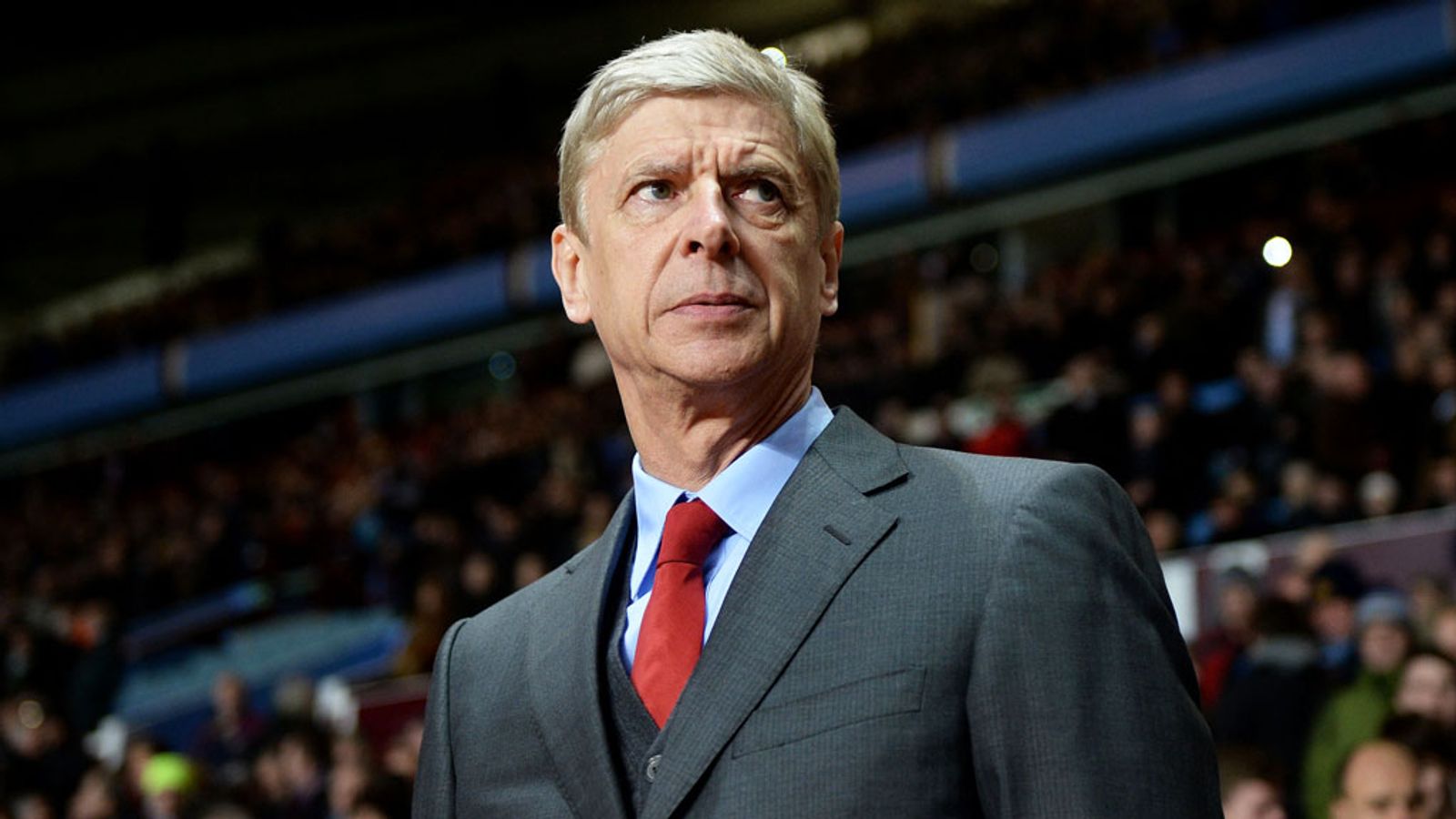
Arsene Wenger questioned the credibility of UEFA’s financial fair play rules after Manchester City agreed a reported £400m sponsorship deal with Etihad Airways in 2011.
The former Arsenal manager raised concerns over whether sponsorship agreements could be used to circumvent financial restrictions designed to prevent clubs from gaining an unfair financial advantage.
Wenger’s comments came as football authorities sought to establish financial fair play as a meaningful mechanism for controlling club spending and encouraging greater financial discipline across European football.
The Frenchman argued that sponsorship agreements had to reflect genuine market value if financial regulations were going to achieve their intended purpose.
“It raises the real question about the credibility of the financial fair play.
“That is what this is all about. They give us the message that they can get around it by doing what they want. It means financial fair play will not come in. It is as simple as that. I can understand how they do it but it raises the real question. The difficulty and the credibility of the financial fair play is at stake.
“Plus, if the financial fair play is to have a chance, the sponsorship has to be at the market price. It cannot be doubled, tripled or quadrupled because that means it is better that we don’t do it and we leave everybody free. That can be defended as well, but if they bring the rules in they have to be respected.”
The remarks have resurfaced amid renewed scrutiny of Manchester City’s finances and the wider debate surrounding the club’s long-running Premier League case.
City’s sponsorship agreement with Etihad was one of several commercial arrangements that attracted attention during the early years of the club’s rapid rise.
Wenger’s central concern was not simply the size of the agreement, but whether the value assigned to a sponsorship accurately reflected its position in the market.
For financial fair play rules to work, clubs need to operate within a framework where commercial income cannot simply be inflated beyond a reasonable market value, according to Wenger’s argument.
His comments also highlighted the challenge facing football regulators: creating rules that are strict enough to prevent clubs from exploiting loopholes while remaining workable across an increasingly commercialised sport.
Manchester City’s financial growth transformed the club into a major force in English football, with substantial investment helping them compete for domestic and European honours.
The wider financial fair play debate has since evolved, with governing bodies introducing and modifying regulations aimed at addressing club spending, losses and financial sustainability.
Wenger’s old warning therefore remains relevant to one of the central questions surrounding football finance: how should regulators determine whether a sponsorship agreement represents genuine commercial value?
The answer depends on how the relevant rules define market value, what evidence regulators consider and how those standards are applied to individual agreements.
As Manchester City continues to challenge findings in its financial case, Wenger’s comments provide an earlier snapshot of the concerns that surrounded the club’s commercial model more than a decade ago.
His message was ultimately focused on consistency: if financial regulations are introduced, clubs must be expected to operate within the same framework and sponsorship arrangements must be assessed against credible market standards.

Toosin is a dedicated sports writer with a strong background in crafting engaging and insightful content. With experience at Goal, he has developed a sharp editorial sense and a refined storytelling approach that brings depth and perspective to sports journalism. His passion for the game goes beyond the headlines, as he captures both the excitement of the sport and the compelling human narratives behind each event. Toosin’s work resonates with a broad and diverse audience, making global sports stories accessible, relatable, and impactful.